
The Ultimate Guide to Brake Pads: How to Choose, Maintain, and Replace Them
Introduction
Brake pads are arguably the most critical safety component of any vehicle. Every time you press the brake pedal, these small but mighty parts create the friction needed to stop a multi-ton vehicle. But with so many options on the market, how do you know which ones are right for your fleet or retail business? In this comprehensive guide, we will break down what brake pads are, how to choose the best ones for specific driving conditions, and the authoritative guidelines on replacement schedules.
What Are Brake Pads and How Do They Work?
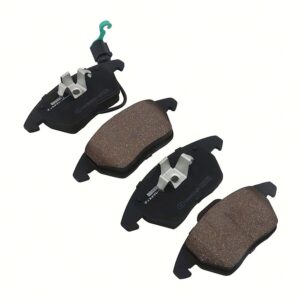
Brake pads are flat components made of friction material bonded to a steel backing plate. They are housed inside the brake caliper. When you apply the brakes, hydraulic pressure squeezes the caliper, pressing the brake pads against the spinning brake rotor. This friction converts the vehicle’s kinetic energy into thermal energy (heat), bringing the vehicle to a safe stop.
How to Choose the Best Brake Pads?
Selecting the right brake pads depends heavily on the driving environment, vehicle type, and budget. When importing auto parts for regions with diverse terrains, unpaved roads, and high average temperatures—such as many thriving African markets—durability and heat resistance are paramount. Here are the three main types:
Semi-Metallic Brake Pads: Containing 30% to 65% metal (like steel, iron, or copper), these are highly durable and offer excellent heat dissipation. They are ideal for heavy-duty vehicles, commercial fleets, and driving in extreme heat or mountainous terrains. While they can be slightly noisier, their stopping power is unmatched.
Ceramic Brake Pads: Made from ceramic fibers and nonferrous filler materials, these are quieter, produce less brake dust, and last a long time. However, they are generally more expensive and may not absorb heat as effectively under extreme, continuous braking conditions.
Organic (NAO) Brake Pads: Made from materials like rubber, glass, and Kevlar, these are the softest and quietest options. They are budget-friendly but wear out the fastest, making them suitable only for light, everyday city commuting.
How Often Should You Replace Brake Pads?
According to automotive authorities like Kelley Blue Book (KBB), brake pads typically last between 25,000 and 50,000 miles (roughly 40,000 to 80,000 kilometers). However, this lifespan varies significantly based on driving habits and road conditions.
You should never wait for the pads to fail completely. Look out for these warning signs:
Squeaking or Squealing Noises: Most modern brake pads have built-in wear indicators—small metal tabs that scrape against the rotor when the pad gets dangerously thin.
Vibration When Braking: If the brake pedal pulsates, it could mean the pads are worn unevenly or the rotor is warped.
Reduced Stopping Power: If the vehicle takes longer to stop, immediate inspection is required.
Sourcing Reliable Chassis Components
For auto parts distributors and mechanics, consistency is key. A safe vehicle relies not just on brake pads, but on the entire suspension and braking system working in harmony. Sourcing high-quality chassis components—from shock absorbers and ball joints to reliable brake pads—is essential for long-term success. Brands like XPM provide the rigorous quality control and durable manufacturing standards required to keep vehicles running safely across challenging environments.